Victorian Resources Online (archived)
Archived content — This page contains material from the Victorian Resources Online (VRO) website. It is no longer maintained and is provided for reference only. This content is hosted by CeRDI and is not endorsed by Agriculture Victoria.
Sitemap
Dairy Effluent
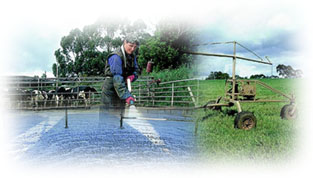
- Effluent ponds are designed to store effluent over the wet months when application can be difficult and run-off likely. Make sure ponds are emptied by the start of winter.
- Apply effluent to pastures/crops in spring and summer when plants are actively growing and can maximise nutrients and water. There is also less chance of run-off.
- Have effluent tested to find out its nutrient levels (levels will vary from farm to farm and over time). Applications to small areas will lead to a build up of nutrients, which can affect soil structure, animal health and promote invasive weeds.
- Effluent in Gippsland was found to have an average Nitrogen (N), Phosphorus (P) and Potassium (K) fertiliser value of $804 per megalitre
| 
|
- If you are applying effluent you may need to adjust your fertiliser rates where effluent has been applied. Soil test areas, which have effluent, applied as per the rest of the farm.
- Minimise water entering your effluent pond/sump by diverting platecooler and stormwater away from the system. Recycle platecooler water through the shed or as yard wash-down.
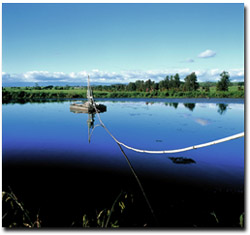
Planting trees on farms can achieve multiple benefits.
Photographs by Rawdon Sthradher (Fine Focus Photography). | Other Considerations
- Prevent overgrazing - feeding supplements can be a cost-effective strategy.
- Consider establishing agroforestry in areas such as breaks of slope, between paddocks etc. They will provide all the benefits of trees – i.e. shelter plus an income in approx 10 years. After removal, the roots will still bind the soil for 3-5 years.
- Avoid disposing dead stock and rubbish near waterways.
|
