Victorian Resources Online (archived)
Generalised Soil Descriptions
Major Soil Group: A | B | C | D | E | F | G | H | I | J
The main characteristics of the ten major groups are described, together with the typical morphological properties of the 45 soil profile classes identified. The distribution of the five dominant soil profile classes and their approximate areas are given in Figure 3. The relative areas occupied by the subclasses (based on profile reaction trends) within the dominant soil profile classes are given in Table 4.
Table 4 - Percentage Areas of Subclasses within the Dominant Soil Profile Classes
| Soil Profile Class | Profile Reaction Trend | Topography | ||
| acid; acid to neutral | neutral | alkaline, alkaline to neutral | ||
Aa | 99 | <1 | <1 | Mainly gently undulating plains and rises. |
Ab | 35 | 2 | 63 | |
CX | 1 | - | 99 | |
Ag | 7 | 17 | 76 | |
Ba | 82 | 2 | 16 | Gently undulating plains and rises to undulating hilly terrain |
Fa | 98 | - | 2 | Undulating and rolling rises. |
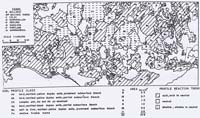
Figure 3 Distribution of Dominant Soil Profile Classes
Major Group: A
Soil Profile Class Aa | Ab | Ac | Ad | Ae | Af | Ag | Ah | Ai
The main characteristic of these soils is the distinct texture contrast between relatively light to medium texture surface horizons and clayey subsoils. Nine soil profile classes were formed from the profile descriptions of duplex soils occurring on basalt.
Soil Profile Class: Aa
General Features: These soils have strongly developed hardsetting surface horizons over mottled clay subsoils that are yellow or yellow-grey. A conspicuously bleached subsurface horizon, indicative of intermittent waterlogging is a feature of the soils of this class which are one of the dominant soils of the basalt plains of south western Victoria. Soils with acid, neutral or alkaline soil reaction trends all occur throughout the region, ie. subclasses AaA,AaN and AaK.
Soil Description:
Surface Soil
A1 horizon
- loam, fine sandy clay loam, silty clay loam, but more commonly day loam. 20 cm thick, ranges from 10-30 cm.
- very dark greyish brown to dark brown.
- massive, immediate surface may have weak structure under permanent pasture situation.
A2 horizon
- loam, fine sandy clay loam, silty clay loam, but more commonly clay loam.
- 20 cm thick, ranges from 5-40 cm.
- conspicuously bleached white or very pale brown dry, brown to light brownish grey moist.
- massive.
- moderate to abundant levels of ironstone gravel are usually concentrated in the lower portion of this horizon.
Subsoil
- medium or heavy clay.
- greyish brown to yellowish brown with red and/or bright yellow being the common mottles.
- moderate to strong medium or coarse blocky structure that tends to break down to smaller blocky units when disturbed.
- varying amounts of gravel or rock fragments may occur; trace to moderate amounts of hard and soft carbonate segregations may be present in the deep subsoils of subclass AaK.
- total soil depth is usually greater than 100cm but on upper slopes and broad level crests in undulating topography the total thickness may be as shallow as 40-80 cm;
- if not already cleared these rises may have many basalt stones and boulders scattered on the surface.
Phases:
- AaAs,AaNs: shallow surface phases - conspicuously bleached subsurface horizons are absent and the common thickness of the shallow surface soil is 10-20 cm; these soils usually occur on crests of rises.
- AaAa,AaNa: non-waterlogging subsurface phases - paler subsurface horizons are present but are not bleached due to better subsoil aggregate stability; the top of the subsoils are non-sodic (av ESP- 5.4) compared to the normal sodic subsoils of AaA,AaN and AaK (av ESP of upper subsoil - 12.3).
- AaAp,AaNp,AaKp: poorly drained phases - the top of the subsoil is dark greyish brown rather than the more common yellowish brown; subsoil texture is heavy clay; these soils tend to occur in the poorer drained portions of the landscape.
- AaAps: as for above, but also has shallow surface.
- AaAI,AaNI,AaKI: light surface phases - surface textures range from sandy loam to fine sandy loam.
Soil Profile Class: Ab
General Features: These soils have strongly developed hardsetting surface horizons over mottled clay subsoils that are yellow or yellow-grey. They are very similar to the soils of class Aa except that the subsurface horizon is sporadically bleached. Although this indicates intermittent waterlogging, it is not as severe as in the soils of class Aa. Soils with acid, neutral and alkaline soil reaction trends all occur throughout the region, i.e. subclasses AbA,AbN and AbK.
Soil Description:
Surface Soil
A1 horizon
- fine sandy clay loam, silty clay loam but more commonly clay loam.
- 20 cm thick, ranges from 5-30 cm.
- very dark greyish brown to dark brown.
- massive, immediate surface may have weak structure development under permanent pasture situation.
- fine sandy clay loam, silty clay loam but more commonly clay loam. 20 cm thick, ranges from 10 - 35 cm.
- sporadically bleached light grey dry, dark brown moist.
- massive.
- moderate to abundant levels of ironstone gravel are usually concentrated in the lower portion of this horizon.
- medium or heavy clay.
- greyish brown to yellowish brown with red and/or bright yellow being the common mottles.
- moderate to strong medium or coarse blocky structure that tends to break down to smaller blocky units when disturbed.
- varying amounts of gravel or rock fragments may occur; very few to many hard and soft carbonate segregations may be present in the deep subsoils of subclass AbK.
- total soil depth is usually greater than 100 cm but on upper slopes and broad level crests in undulating topography the total thickness may be as shallow as 40-80 cm; if not already cleared these rises may have many basalt stones and boulders scattered on the surface.
- AbNs,AbKs: shallow surface phases - the sporadic bleach occurs as whitish blotches or nests at the AB interface and the common surface depth is 10-20 cm.
- AbAp,AbNp,AbKp: poorly drained phases - the top of the subsoil is dark greyish brown rather than the more common yellowish brown; subsoil texture is heavy clay.
- AbNps,AbKps: as above, but also has a shallow surface.
- AbAI,AbNl,AbKl: light surface phases - surface texture is fine sandy loam.
Soil Profile Class : Ac
General Features: These soils have strongly developed hardsetting surface horizons over mottled clay subsoils that are dominantly brown. A conspicuously bleached subsurface horizon, indicative of intermittent waterlogging, is a feature of these soils. Soils with acid, neutral and alkaline soil reaction trends all occur, i.e.
subclasses AcA,AcN and AcK, however the soils of subclasses AcK are less common.
Soil Description:
Surface Soil
A1 horizon
- fine sandy clay loam, silty clay loam, but more commonly day loam.
- 20 cm thick, ranges from 10-30 cm.
- very dark greyish brown to dark brown.
- massive.
- fine sandy clay loam, silty clay loam, but more commonly clay loam.
- 20 cm thick, ranges from 15-40 cm.
- conspicuously bleached light grey to near white dry, brown moist.
- massive.
- moderate to abundant levels of ironstone gravel usually occur in the lower portion of this horizon and may extend into the top of the B horizon.
- medium or heavy clay.
- dark brown, dark yellowish brown of—brown with red or bright yellow being the common mottles
- moderate to strong, medium or coarse blocky structure.
- total soil thickness is usually greater than 100 cm.
- AcAs,AcNs,AcKs: shallow surface phases - conspicuously bleached subsurface horizons are absent and hence intermittent waterlogging is less severe; the average surface depth is 20cm and ranges from 5-35cm; these soils usually occur on upper slopes and crests.
- AcAa,AcNa: non-waterlogging subsurface phases - paler subsurface horizons are present but are not bleached.
- AcAt: structured surface phase - surface horizons do not set hard but are friable and strongly pedal both moist and dry.
Soil Profile Class: Ad
General Features: These soils have strongly developed hardsetting surface horizons over mottled clay subsoils that are dominantly brown. They are very similar to the soils of class Ac except that the subsurface horizon is sporadically bleached. Although this indicates periodic waterlogging it is not as severe as the soils of class Ac. Soils with acid, neutral and alkaline soil reaction trends all occur, i.e. subclasses AdA,AdN and AdK.
Soil Description:
Surface Soil
A1horizon
- fine sandy clay loam, silty clay loam, but more commonly clay loam.
- 15 cm thick ranges from 10 - 20 cm.
- very dark greyish brown to dark brown.
- massive, but may break down to a weak blocky or granular structure when moist under permanent pasture situations.
- fine sandy clay loam, silty clay loam, but more commonly clay loam.
- 15cm thick, ranges from 5 - 25 cm.
- sporadically bleached light grey dry, dark brown moist.
- massive.
- common to moderate levels of ironstone gravel may be concentrated in the lower portion of this horizon or in the top of the B horizon; some profiles may have ironstone gravel throughout their entire solum.
- medium or heavy clay.
- dark brown, dark yellowish brown or brown with red and/or bright yellow being
- the common mottles.
- usually breaks down to a strong fine to medium blocky structure.
- very few to many hard and soft carbonate segregations may be present in the deep subsoils of subclass AdK.
- total soil depth is usually 100-150 cm but may be shallower when overlying volcanic ash layers; shallow profiles 60-80 cm deep may occur on upper slopes and crests of rises which may have few to many basalt boulders and stones scattered on the surface if not already cleared.
Soil Profile Class : Ae
General Features: These soils have strongly developed hardsetting surface horizons over clay subsoils that are dominantly brown. Bleached subsurface horizons are absent and soils with acid, neutral and alkaline trends all occur, ie. subclasses AeA,AeN and AeK, with the soils of subclass AeA being more common.
Soil Description:
Surface Soil
- fine sandy clay loam or, more commonly, clay loam.
- very dark greyish brown to dark brown and less commonly dark reddish brown or brown.
- 20 cm thick, ranges from 10-30 cm.
- massive.
- moderate to abundant levels of gravel may occur where these soils are found on rises in undulating terrain.
- medium or heavy clay.
- dark brown to dark yellowish brown, may become yellower with a red mottle with an increase in depth.
- moderate to strong, medium and coarse blocky structure which may break down to strong fine blocky peds.
- varying amounts of gravel are common throughout the subsoil and are usually concentrated in the top of the B horizon.
- total soil thickness is usually greater than 100cm, but on some rises pay be as shallow as 35 cm.
- AeAp,AeNp,AeKp: poorly drained phases - sporadic bleached A2 horizons or patches at the AB interface are present.
- AeAt: structured surface phase - surface soils are granular and friable both moist and dry and usually occur on the slopes of stony rises
- AeAl: light surface phase - surface texture is fine sandy loam.
- AeNd,AeKd: deep surface phases - a paler subsurface horizon may be present and the total thickness of the surface soil is 40-45 cm.
Soil Profile Class: Af
General Features: These soils have strongly developed hardsetting surface horizons over mottled clay subsoils that are dominantly black. A conspicuously bleached subsurface horizon, indicative of intermittent waterlogging, is a feature of these soils. Soils with acid, neutral and alkaline soil reaction trends all occur, i.e. subclasses Af A, AfN and AfK, with the soils of subclass AfK being the more common.
Soil Description:
Surface Soil
A1 horizon
- fine sandy clay loam, silty clay loam, but more commonly day loam.
- 15cm thick, ranges from 10-20 cm.
- very dark greyish brown to dark brown.
- massive.
- fine sandy clay loam, silty clay loam, but more commonly clay loam.
- 20cm thick, ranges from 5-35cm.
- conspicuously bleached light grey to near white dry, pale brown moist.
- massive.
- moderate to abundant levels of ironstone gravel are normally concentrated in the lower A2 horizon and may Continue into 'the top of the B horizon.
- heavy clay.
- very dark greyish brown to black, with red being the common mottle; colours of the subsoil grade to a light yellowish brown with an increase in depth.
- strong, coarse to medium blocky structure which may break down to finer units.
- hard and soft carbonate segregations may occur in the deep subsoils of subclass AfK.
- total soil thickness is usually greater than 100cm but may be as shallow as 40-50 cm on rises in undulating terrain which may also have scattered boulders on their surface.
- AfAa,AfNa: non-waterlogging subsurface phases - paler subsurface horizons are present but are not bleached; if waterlogging does occur, it is less severe than for the normal soils, that is, AfA,AlN,AfK; these soils usually occur on crests and upper slopes in gently undulating to undulating terrain.
- AfAs,AfKs: shallow surface phases - conspicuously bleached subsurface horizons are absent and surface depths are usually 5-10 cm thick.
- AfNt,AfKt: structured surface phases surface horizons do not set hard but are friable and strongly pedal both moist and dry.
- AfKI: light surface phase - surface texture is fine sandy loam.
Soil Profile Class: Ag
General Features: These soils have strongly developed hardsetting surface horizons over mottled clay subsoils that are dominantly black. They are very similar to the soils of class Af except that the subsurface horizon is sporadically bleached. Although it indicates intermittent waterlogging, it is not as severe as in the soils of class Af. Soils with acid neutral and alkaline soil reaction trends all occur, i.e. subclasses AgA, AgN and AgK.
Soil Description:
Surface Soil
A1 horizon
- fine sandy clay loam, silty clay loam or, more commonly, clay loam.
- 15 cm thick, ranges from 10-25 cm.
- very dark brown, dark brown or very dark greyish brown.
- massive.
A2 horizon
- fine sandy clay loam, silty. clay loam or, more commonly, clay loam.
- 20 cm thick, ranges from 5-35 cm.
- sporadically bleached light grey dry, brown to dark brown moist.
- massive.
- abundant levels of ironstone gravel may be present and is usually concentrated in the lower portion of the A2 horizon.
- heavy clay.
- very dark grey, very dark greyish brown or black, with red being the common mottle.
- strong, coarse blocky structure which may break down to finer units. hard and soft carbonate segregations may occur in the deep subsoils of of subclass AgK.
- total profile thickness is usually greater than 100cm but on some rises may be as shallow as 60cm; in undulating terrain surface boulders may be present on the upper slopes and crests of rises.
- AgAs,AgNs,AgKs: shallow surface phases - the average surface depth is 10cm and ranges from 5-15cm; the sporadic bleach occurs as whitish blotches at the AB interface; the alkaline phase, AgKs, is the most common phase.
- AgAt,AgNt: structured surface phases - surface horizons do not set hard but are friable and strongly pedal both moist and dry.
Soil Profile Class: Ah
General Features: These soils have strongly developed hardsetting surface horizons over day subsoils that are dominantly black. Bleached subsurface horizons are absent and soils with acid, neutral and alkaline soil reaction trends all occur, i.e. subclasses AhA,AhN and AhK, with the soils of subclass AhK being more common.
Soil Descriptions:
Surface Soil
- fine sandy clay loam, but more commonly clay loam.
- 10 cm thick, ranges from 5-30 cm.
- very dark greyish brown, dark brown or black.
- massive, but may have a weak granular or blocky structure at the immediate surface under permanent pasture.
- heavy day.
- very dark greyish brown, very dark grey, very dark brown or black.
- strong, coarse blocky structure which may break down to finer units.
- very few to abundant hard and soft carbonate segregations may occur in the deep subsoils of subclass AhK.
- although total profile thickness is usually greater than 100 cm, shallow profiles ranging from 35-55 cm are common on slopes and crests of rises and hillslopes; variable amounts of basalt boulders and stone usually occur on these slopes.
- AhAd,AhNd,AhKd: deep surface phases - the average surface depth is 30 cm and the range is 15-45 cm; sporadic bleached paler subsurface horizons are present indicating that the intermittent waterlogging is slightly more severe than the normal soils.
- AhAp,AhKp: poorly drained phases - a sporadic bleach occurs as whitish blotches at the AB interface; the drainage status is similar to the deep surface phase; the alkaline phase, AhKp, is the dominantly occurring phase.
- AhAt,AhNt: structured surface phases - surface horizons do not set hard but are friable and strongly pedal both moist and dry.
Soil Profile Class: Ai
General Features: These soils have strongly developed hardsetting surface horizons over clay subsoils that are dominantly red. Bleached subsurface horizons are absent and soils with acid, neutral and alkaline soil reaction trends all occur, i.e. subclasses AiA, AIN and AiK, with the soils of subclass AiK being more common.
Soil Description:
Surface Soil
- loam or more commonly clay loam.
- 10 cm thick, ranges from 5-15 cm.
- dark reddish brown to brown.
- massive.
Subsoil
- medium or heavy clay.
- reddish brown, red or dark red.
- strong to moderate, medium or coarse blocky structure that may break down to finer structural units.
- very few to abundant hard and soft carbonate segregations are present in the subsoils of subclass AiK; variable amounts of coarse gravel and rock fragments may occur throughout the B horizon.
- total profile thickness is usually about 100 cm or greater, but may be as shallow as 30-60 cm on rises and hillslopes; if not already cleared there are usually many basalt boulders on the upper slopes and crests of rises in gently undulating terrain and on basalt hills.
- AiAt,AiNt,AiKt: structured surface phases - surface horizons do not set hard but are friable and strongly pedal both moist and dry.
- AiAd,AiNd: deep surface phases - the average surface depth is 35 cm and the common range is 30-40 cm; dark reddish brown surface horizons grade to a reddish brown subsurface horizon (not bleached) before the clay B horizon.
- AiKp: poorly drained phase - a conspicuously bleached subsurface horizon is present indicating intermittent waterlogging is likely to be more severe than in the normal Soils.
MAJOR GROUP : B
Soil Profile Class Ba | Bb | Bc | Bd | Be | Bf | Bg | Bh | Bi | Bj | Bk | Bl
The main characteristic of these soils is the distinct texture contrast between relatively light textured surface soils and clayey subsoils. Thirteen soil profile classes were formed from the profile descriptions of duplex soils occurring on sediments.
Soil Profile Class: Ba
General features: These soils have weakly developed hardsetting or soft surface horizons over mottled clay subsoils that are yellow or yellow-grey. A conspicuously bleached subsurface horizon indicative of intermittent waterlogging, is a feature of the soils of this class, and soils with acid, neutral and alkaline soil reaction trends all occur, i.e. subclasses BaA, BaN and BaK, with the soils of subclass BaA being the most common.
Soil Description:
Surface Soil
A1 horizon
- fine sandy loam, sandy loam, light sandy clay loam, or occasionally loamy sand.
- 20 cm thick, ranges from 5--30 cm.
- very dark greyish brown to brown.
- massive, generally hardsetting characteristics are weakly developed. A2 horizon
- fine sandy loam, sandy loam, light sandy clay loam, or occasionally loamy sand.
- 20 cm thick, ranges from 15-50 cm.
- conspicuously bleached white or light grey dry, pale brown moist.
- massive, with soft to slightly hard consistence dry and readily breaks down to single grains when disturbed.
- variable amounts of fine and coarse gravel, particularly quartz, may be concentrated in the lower portion of this horizon; some profiles have a thin band of cemented sand as a "capping" on top of the B horizon.
- medium or heavy clay, may become sandy with an increase in depth, i.e. medium clay (sandy), heavy clay (sandy) or sandy clay.
- yellowish brown with red and bright yellow being the common mottles.
- moderate or strong, medium to coarse blocky structure which may break down to finer structural units; the structure may become massive with an increase in depth as the textures become sandier.
- variable amounts of coarse gravel or quartz fragments may be present throughout the subsoils.
- total soil depth is usually greater than 100 cm but in undulating to hilly terrain the total thickness may be as shallow as 60-80 cm.
- BaAh,BaNh,BaKh: heavy surface phases - surface textures are fine sandy clay loam or sandy clay loam; the hardsetting characteristics are more strongly developed.
- BaAa,BaNa,BaKa: non-waterlogging subsurface phases - paler subsurface horizons are present but are not bleached due to better subsoil aggregate stability; top of subsoils are non-sodic; moderate to abundant levels of fine and coarse gravel are present in the subsurface horizon; these soils are commonly found on crests in gently undulating to hilly terrain.
- BaAah,BaKah: as above, but surface textures fine sandy day loam or sandy clay loam.
- BaAs,BaNs,BaKs: shallow surface phases - conspicuously bleached subsurface horizons are absent and the common thickness of the shallow surface soil is 15-20 cm.
- BaAsh: as above, but surface textures are fine sandy clay loam or sandy clay loam.
- BaAm,BaNm,BaKm: massive subsoil phases - subsoils are structureless and textures are usually sandy clay, medium clay (sandy) or heavy clay (sandy); A2 horizon may grade into a brown, sandy A3 horizon that contains 'coffee rock' nodules, or it may consist of a coffee rock pan.
Soil Profile Class : Bb
General Features: These soils have loose sandy surface horizons over mottled clay subsoils that are yellow or yellow-grey. A conspicuously bleached subsurface horizon indicative of intermittent waterlogging is a feature of the soils of this class, and soils with acid, neutral and alkaline soil reaction trends all occur, i.e. subclasses BbA,BbN and BbK, with the soils of subclass BbA being, by far, the most common.
Soil Description:
Surface Soil
A1 horizon:
- loamy sand, occasionally sand or sandy loam.
- 20 cm thick, ranges from 5 - 35 cm.
- very dark grey to dark brown.
- loose, becoming single grained when disturbed.
- sand or loamy sand.
- 35 cm thick, ranges from 20-60 cm.
- conspicuously bleached white or light grey dry, pale brown moist, occasionally the A2 horizon may grade into a brown to light yellowish brown, sandy A3 horizon.
- loose.
- variable amounts of fine and coarse gravel.
- medium clay, less commonly sandy clay, medium clay (sandy) or heavy clay.
- yellowish brown with red and bright yellow being the common mottles.
- moderate, medium blocky structure that usually breaks down to finer structural
- units; the subsoil may become massive with an increase in depth.
- total soil depth is usually greater than 100cm.
- BbAm,BbNm,BbKm: massive subsoil phases - subsoils are structureless and textures are usually sandy clay or medium clay (sandy); the average thickness of surface soil is 60cm; the A2 horizon may grade into a brown, sandy A3 horizon that contains nodules of 'coffee rock' or that consists of a 'coffee rock' pan which may vary from 15-35cm thick.
- BbAc,BbKc: whole-coloured subsoil phases - subsoils are not mottled and drainage may be slightly better than in the normal soils; heavy amounts of carbonate occur in the subsoils of BbKc.
- BbKca: as above, but subsurface horizons are not bleached.
- BbAcm: as for BbAc, but subsoils are whole - coloured and structureless.
- BbNa: non-waterlogging subsurface phase - paler subsurface horizons are present but are not bleached.
Soil Profile Class : Bc
General Features: These soils have weakly developed hardsetting or soft surface horizons over mottled clay subsoils that are yellow or yellow-grey. They are similar to the soils of class Ba except that the subsurface horizon is sporadically bleached. Although this indicates intermittent waterlogging, it is not as severe as in the soils of class Ba. Although this is only a minor class, soils with acid, neutral and alkaline soil reaction trends all occur, i.e. subclasses BcA,BcN and BcK.
Soil Description:
Surface Soil
A1 horizon
- fine sandy loam, sandy loam or light sandy clay loam.
- 20 cm thick, ranges from 15-25 cm.
- very dark grey to very dark greyish brown.
- massive, generally hardsetting characteristics are weakly developed. A2 horizon
- fine sandy loam, sandy loam or light sandy clay loam.
- 10 cm thick, ranges from 5-20 cm.
- sporadically bleached light grey dry, greyish brown moist.
- massive, with a soft to slightly hard consistence dry.
- medium or heavy clay, occasionally medium clay (sandy) or heavy clay (sandy). yellowish brown to light olive brown with bright yellow being the common mottle. moderate or strong, coarse to medium blocky structure.
- variable amounts of carbonate segregations occur in the deep subsoils of subclass BcK.
- BcAh,BcNh,BcKh: heavy surface phases - surface textures are fine sandy clay loam or clay loam and hardsetting characteristics are more strongly developed.
- BcAhs: as above, but the sporadic bleach occurs as whitish blotches or nests at the AB interface; total surface thickness is usually 15cm and ranges from 5-20cm. BcAhc: as for BcAh, but subsoil is whole-coloured yellowish brown.
- BcAp,BcNp,BcKp: poorly drained phases - the top of the subsoil is dark greyish brown to dark grey rather than the more common yellowish brown; subsoil texture is heavy clay.
- BcAph,BcNph,BcKph: as above, but surface texture is fine sandy clay loam or clay loam; where the sporadic bleach occurs at the AB interface surface depths range from 15-20cm.
Soil Profile Class Bd
General Features: These soils have weakly developed hardsetting or soft surface horizons over mottled clay subsoils that are dominantly brown. A conspicuously bleached subsurface horizon, indicative of intermittent waterlogging, is a feature of the soils of this class, and soils with acid, neutral and alkaline soil reaction trends all occur, i.e. subclass BdA,BdN and BdK.
Soil Description:
Surface Soil
A1 horizon
- fine sandy loam, sandy loam or loam (fine sandy).
- 25 cm thick, ranges from 15-30 cm.
- very dark grey to dark brown.
- massive, generally hardsetting characteristics are weakly developed.
- fine sandy loam to sandy loam.
- 25 cm thick, ranges from 10-40 cm.
- conspicuously bleached white dry, pale brown moist.
- massive.
- may have variable amounts of fine gravel.
- medium or heavy clay.
- dark brown to dark yellowish brown with red being the common mottle.
- moderate to strong, medium or coarse blocky structure which may break down to finer structural units.
- total soil depth is usually greater than 100 cm.
- variable amounts of carbonate may occur in the deep subsoil of subclass BdK.
- BdAh,BdKh: heavy surface phases - surface texture is fine sandy clay loam and the hardsetting surface characteristics are more strongly developed.
- BdAs,BdNs,BdKs: shallow surface phases - conspicuously bleached subsurface horizons are absent and the common thickness of the shallow surface soil is 10-20 cm; surface texture is fine sandy loam to fine sandy clay loam.
- BdAa: non-waterlogging subsurface phase - paler subsurface horizons are present but are not bleached due to better subsoil aggregate stability.
Soil Profile Class : Be
General Features: These soils have weakly developed hardsetting or soft surface horizons over mottled clay subsoils that are dominantly brown. They are similar to the soils of class Bd except that the subsurface horizon is sporadically bleached. Although this indicates intermittent waterlogging, it is not as severe as in the soils of class Bd. This is only a minor class and soils with acid and alkaline soil reaction trends occur, i.e. subclass BeA and BeK.
Soil Description:
Surface Soil
A1 horizon
- fine sandy loam.
- 15 cm thick.
- very dark greyish brown to black.
- massive, generally hardsetting characteristics are weakly developed.
- fine sandy loam.
- 25 cm thick.
- sporadically bleached light grey dry, greyish brown moist; sporadic bleach may occur at AB interface.
- massive.
- very slight levels of fine gravel may occur at the AB interface.
- medium or heavy clay.
- dark brown to brown with red being the common mottle.
- moderate, medium blocky structure.
- total soil depth is usually greater than 100cm.
- variable amounts of carbonate segregations may occur in the deep subsoil of class BeK.
- BeAh,BeKh: heavy surface phases - surface textures are fine sandy clay loam or, less commonly, clay loam; the hardsetting characteristics are more strongly developed.
Soil Profile Class : Bf
General Features: These soils have weakly developed hardsetting or soft surface horizons over whole-coloured clay subsoils that are dominantly brown. Pale subsurface horizons are present, but they are not bleached. This is only a minor class with soils only occurring in subclass BfA.
Soil Description:
Surface Soil
A1 horizon
- fine sandy loam.
- 20-25 cm thick.
- very dark brown. massive.
- fine sandy loam.
- 5-15cm thick.
- brown.
- massive.
- moderate amounts of coarse gravel and rock fragments may occur where these soils are found on crests.
- heavy clay.
- dark yellowish brown.
- moderate, medium to fine blocky structure. total soil depth usually greater than 100cm.
- BfAp: poorly drained phase - subsurface horizons are conspicuously bleached.
Soil Profile Class : Bg
General Features: These soils have weakly to moderately developed hardsetting surface horizons over mottled clay subsoils that are dominantly black. A conspicuously bleached subsurface horizon indicative of intermittent waterlogging, is a feature of the soils of this class and soils with a neutral soil reaction trend occur, ie. subclass BgN.
Soil Description:
Surface Soil
A1 horizon
- fine sandy loam to light sandy clay loam.
- 35 cm thick, ranges from 20-50 cm.
- very dark greyish brown.
- massive.
A2 horizon
- fine sandy loam, sandy loam or loamy sand.
- 35 cm thick, ranges from 20-45 cm.
- conspicuously bleached light grey dry, brown moist.
- massive, with soft consistence dry and readily breaks down to single grains when disturbed. may contain moderate to abundant levels of fine gravel in the lower portion of this horizon.
- medium or heavy clay.
- very dark grey, very dark brown or black with red and brown being the common mottles.
- moderate to strong, coarse blocky structure.
- total soil depth usually greater than 100cm.
- BgNh: heavy surface phase - surface texture is clay loam and the hardsetting characteristics are strongly developed.
Soil Profile Class : Bh
General Features: These soils have strongly developed hardsetting surface horizons over mottled clay subsoils that are dominantly black. A sporadic bleached subsurface horizon is a feature of the soils of this class, and soils with acid, neutral and alkaline soil reaction trends all occur, i.e. subclasses BhA,BhN and BhK, with the soils of subclass BhK being the most common.
Soil Description:
Surface Soil
A1 horizon
- fine sandy day loam or clay loam.
- 15 cm thick, ranging from 10-25c m.
- very dark grey to very dark greyish brown,
- massive.
- fine sandy day loam or clay loam.
- 15 cm thick, ranges from 5-40 cm.
- sporadically bleached light grey dry, brown to dark greyish brown moist. massive.
- variable amounts of fine gravel may be present.
- medium or heavy clay.
- black, very dark grey or very dark greyish brown with brown or red being the common mottles.
- moderate to strong coarse blocky structure that may break down to finer structural units.
- variable amounts of carbonate segregations may be present in the deep subsoils of subclass BhK.
- total soil depth is usually greater than 100cm
- BhAI,BhNI: light surface phases - surface texture is fine sandy loam; total surface depth ranges from 30-60 cm thick.
- BhKs: shallow surface phase - the sporadic bleach occurs as whitish blotches or nests at the AB interface and the common surface thickness is 10-15 cm.
General Features These soils have strongly developed hardsetting surface horizons over clay subsoils that are dominantly black. A sporadic bleached subsurface horizon is a feature of the soils of this class. Although soils have only been identified in subclasses BiA and BiN, BiK is included to accommodate the alkaline soils of phases BiKs and BiKl.
Soil Description:
Surface Soil
A1 horizon
- clay loam or fine sandy clay loam.
- 20 cm.
- very dark brown or black.
- massive.
A2 horizon
- clay loam or fine sandy clay loam.
- 20 cm ranges from 10-30 cm.
- sporadically bleached light grey dry, greyish brown to dark greyish brown moist.
- massive.
- may contain variable amounts of fine gravel
- medium or heavy clay.
- very dark grey to black.
- strong medium to coarse blocky structure that may break down to finer structural units.
- total soil depth is usually greater than 100cm.
- BiAs,BiNs,BiKs: shallow surface phases - the sporadic bleach occurs as whitish blotches or nests at the AB interface and the common surface depth is 20 cm; occasionally the sporadic bleach at the AB interface is absent.
- BiAsl: as for above, but surface texture is fine sandy loam.
- BiKl: light surface phase - the surface texture is fine sandy loam.
Soil Profile Class : Bj
General Features: These soils have strongly developed hardsetting surface horizons over clay subsoils that are dominantly yellow or yellow-grey. This minor class of soils occupies the lower or more poorly drained areas of the terrain in which it occurs and soils with acid, neutral and alkaline soil reaction trends all occur, i.e. subclasses BjA, BjN and BjK.
Soil Description:
Surface Soil
- clay loam or occasionally fine sandy clay loam.
- 25 cm thick, ranges from 20-30 cm.
- very dark greyish brown to black.
- massive.
- there may be a common abundance of fine gravel.
- medium or heavy clay.
- dark greyish brown.
- strong medium blocky structure.
- moderate to abundant levels of fine gravel occur throughout the subsoil. total soil depth is usually greater than 100 cm.
- BjNI: light surface phase - surface texture is fine sandy loam.
- BjKp: poorly drained phase - a conspicuously bleached subsurface horizon is present indicating that intermittent waterlogging is more severe.
Soil Profile Class : Bk
General Features: These soils have strongly developed hardsetting surface horizons over clay subsoils that are dominantly red. Although this is a minor class, soils with neutral and alkaline soil reaction trends occur, i.e. subclasses BkN and BkK, with BkA being included to accommodate the acid soils of the phase BkAd.
Soil Description:
Surface Soil
- clay loam or fine sandy clay loam.
- 15 cm thick, ranges from 5-20 cm.
- dark reddish brown, reddish brown or brown.
- massive.
- very few to few amounts of coarse gravel or rock fragments may occur.
- medium or heavy clay.
- dark red to reddish brown, occasionally yellowish red.
- moderate, medium blocky structure.
- variable amounts of carbonate segregations may occur in the deep subsoils of subclass BkK.
- total soil depth is usually greater than 100 cm.
- BkAd,BkKd: deep surface phases - the surface depth is 20-40 cm and paler subsurface horizons may be present.
Soil Profile Class : Bl
General Features: These soils have loose sandy surface horizons over clay subsoils that are dominantly red. A conspicuously bleached subsurface horizon, indicative of intermittent waterlogging is a feature of the soils of this minor class and soils with acid and alkaline soil reaction trends have been described, i.e. subclasses BIA and BlK.
Soil Description:
Surface Soil
A1 horizon
- loamy sand.
- 15-30cm thick.
- very dark greyish brown to black.
- loose, becoming single grained when disturbed.
- sand to loamy sand.
- 25-60 cm thick.
- conspicuously bleached pink dry, light brown to reddish yellow moist. loose, becoming single grained when disturbed.
- heavy clay.
- red.
- breaks down to a strong fine blocky structure; may be a weak blocky structure.
- carbonate segregations occur in the deep subsoils of subclass BlK.
- total soil depths is usually greater than 100 cm.
- BmKs: shallow surface phase - the paler subsurface horizon is absent and the surface depth is 5 cm.
MAJOR GROUP: C
Soil Profile Class Ca | Cb | Cc | Cd
The main characteristic of these soils is the distinct texture contrast between relatively light to medium textured surface horizons and clayey subsoils. Four soil profile classes were formed from the profile descriptions of duplex soils occurring on granite and granodiorite.
Soil Profile Class : Ca
General Features: These soils have strongly developed hardsetting surface horizons over mottled clay subsoils that are yellow or yellow-grey. A conspicuously bleached subsurface horizon indicative of intermittent waterlogging is a feature of the soils of this class and soils with acid and neutral soil reaction trends occur, i.e. subclasses CaA and CaN.
Soil Description:
Surface Soil
A1 horizon
- coarse sandy clay loam or sandy clay loam or occasionally light sandy clay loam.
- 15 cm thick, ranges from 10-35 cm.
- dark greyish brown to very dark brown.
A2 horizon
- coarse sandy clay loam or sandy clay loam.
- 25 cm thick, ranges from 10-55 cm.
- conspicuously bleached light grey or very pale brown dry, light yellowish brown, greyish brown or pale brown moist.
- massive.
- may have variable amounts of quartz fragments.
Soil Profile Class : Cb
General Features: These soils have loose sandy surface horizons over mottled clay subsoils that are yellow or yellow-grey. A conspicuously bleached subsurface horizon indicative of intermittent waterlogging, is a feature of the soils of this class, and soils with acid and neutral soil reaction trends occur, i.e. subclasses CbA and CbN.
Soil Description:
Surface Soil
A1 horizon
- loamy sand, occasionally coarse sandy loam.
- 10-45 cm thick.
- very dark greyish brown to dark brown.
- loose, may be weakly coherent.
- sand, loamy sand or occasionally coarse sandy loam.
- 25-30 cm thick.
- conspicuously bleached white to light grey dry, pale brown to yellowish brown moist.
- loose.
- abundant levels of fine and coarse gravel may occur in the lower portion of this horizon; a cemented pan of sand grains up to 10cm thick may occur at the A2/B boundary.
- medium or heavy clay.
- yellowish brown with red and bright yellow being the common mottles.
- strong, coarse blocky structure which may break down to finer structural units.
- total soil depth usually greater than 100cm.
- CbAm,CbNm: massive subsoil phases - subsoils are structureless and textures may be sandy clay or medium clay (sandy).
Soil Profile Class : Cc
General Features: These soils have weakly to moderately developed hardsetting surface soils over mottled clay subsoils that are dominantly brown. A conspicuously bleached subsurface horizon, indicative of intermittent waterlogging, is a feature of the soils of this minor class, and soils with a neutral soil reaction trend have been described i.e. subclass CcN.
Soil Description:
Surface Soil
A1 horizon
- fine sandy 10 cm.
- 20 cm thick.
- very dark greyish brown.
- massive.
A2 horizon
- fine sandy loam.
- 20 cm thick.
- conspicuously bleached very pale brown dry, light yellowish brown moist. massive.
- slight amount of fine gravel may occur in the lower portion of this horizon.
- medium clay.
- dark yellowish brown with a red mottle.
- breaks down to a strong, fine blocky structure when disturbed.
- total soil depth may be as shallow as 75cm where these soils occur on slopes in hilly terrain.
Soil Profile Class : Cd
General Features: These soils have moderately developed hardsetting surface soils over mottled clay subsoils that are dominantly black. A conspicuously bleached subsurface horizon indicative of intermittent waterlogging is a feature of the soils of this minor class and soils with an acid soil reaction trend have been described, i.e. subclass CdA.
Soil Description:
Surface soil
A1 horizon
- coarse light sandy clay loam.
- 25 cm thick.
- very dark greyish brown.
- massive.
- coarse sandy clay loam.
- 15 cm thick.
- conspicuously bleached light grey dry, brown moist.
- massive.
- medium or heavy clay.
- very dark greyish brown to black, with bright yellow being the common mottle. moderate, medium to coarse blocky structure.
- may have a slight amount of rock fragments in lower subsoil.
- total soil depth is usually greater than 100cm.
MAJOR GROUP: D
Soil Profile Class Da | Db | Dc | Dd | De
The main characteristic of these soils is their gradational texture profiles that are well-structured and mainly friable, particularly when moist. Soil profiles show increasingly more clayey textures on passing down the solum and boundaries between horizons are usually gradual, diffuse or clear. Five soil profile classes were formed from the profile descriptions of gradational soils.
Soil Profile Class : Da
General Features: These soils have friable, well-structured surface horizons which grade into more clayey subsoils that are dominantly red. The smooth-ped fabric of the B horizon is a feature of the soils of this class, and soils with acid, neutral and alkaline soil reaction trends occur, i.e. subclasses DaA,DaN and DaK. Within the region, the more common acid and neutral classes are usually found on basalt or other igneous rocks.
Soil Description:
Surface Soil
- clay loam or loam.
- 20 cm thick, ranges from 15-30 cm.
- dark reddish brown, reddish brown, and occasionally black or dark brown.
- moderate to strong, fine or medium granular structure.
- variable amounts of gravel and rock fragments may occur.
- light or medium clay, may become heavier with an increase in depth.
- dark reddish brown, reddish brown, dark red, red and occasionally yellowish red. moderate or strong, medium to fine blocky structure.
- variable amounts of coarse gravel and rock fragments may occur.
- total soil depth is usually greater than 100cm but may be as shallow as 40-60cm in undulating and hilly terrain.
Phases:
- DaAd,DaNd: deep surface phases - the surface depth ranges from 30-50 cm and a paler subsurface horizon may be present.
Soil Profile Class : Db
General Features: These soils have friable, well-structured surface horizons which grade into more clayey subsoils that are dominantly brown. The smooth-ped fabric of the B horizon is a feature of the soils of this class, and soils with acid and neutral soil reaction trends occur, i.e. subclasses DbA and DbN. The class DbK has been included to accommodate the alkaline phases.
Soil Description:
Surface Soil
- clay loam.
- 20 cm thick, ranges from 10-30 cm.
- dark brown to very dark greyish brown.
- strong, medium to fine granular or blocky structure
- variable amounts of fine gravel may occur.
Subsoil
- medium or heavy clay.
- brown, dark brown or occasionally dark yellowish brown; deep subsoils may become dark greyish brown to olive brown with a red mottle and the texture is usually heavy clay.
- moderate or strong, medium to fine blocky structure; the moist consistence varies from friable to firm.
- variable amounts of gravel and rock fragments may occur.
- total soil thickness is usually greater than 100cm, but may be as shallow as 35-40cm on some slopes.
Phases:
- DbAd,DbKd: deep surface phases - the average thickness of the surface soil is 35cm and it grades to a brown light clay before the B horizon is reached.
- DbNo,DbKo: mottled subsoil phases - the upper portion of the B horizon has a red mottle and the surface soil may be massive.
- DbNod: as for above, but the average thickness of the surface soil is 35cm and the surface texture grades from clay loam to light clay.
Soil Profile Class : Dc
General Features: These soils have friable to hard, well-structured surface horizons which grade into more clayey subsoils that are dominantly black. The smooth-ped fabric of the B horizon is a feature of the soils of this class, and soils with acid, neutral and alkaline trends occur, i.e. subclasses DcA,DcN and DcK. Within the region the neutral subclass, DcN, is by far the most common in this class.
Soil Description:
Surface Soil
- clay loam, occasionally light clay.
- 25 cm thick, ranges from 10 - 50 cm.
- black or dark brown.
- strong, fine blocky or medium granular structure.
- shallow profiles in hilly terrain may have variable amounts of rock fragments.
- light, medium or heavy clay.
- black or dark brown.
- strong fine blocky structure; structural units may become coarser with an
- increase in depth.
- variable amounts of fine and coarse gravel may occur in shallow profiles in hilly terrain; bands of volcanic ash of variable thickness occur at the AB boundary and throughout the B horizon where these soils are formed on basaltic ash; (profiles may be as shallow as 50cm where these soils occur in undulating terrain.)
- total soil depth is usually greater than 100cm, (particularly on quaternary sediments) but may be as shallow as 30-45cm where these soils occur in hilly
- terrain (older volcanics).
Soil Profile Class : Dd
General Features: These soils have friable, well-structured surface horizons which grade into more clayey subsoils that are dominantly brown. The porous, rough-ped fabric of the B horizon is a feature of the soils of this class, and soils with a neutral soil reaction trend occur, i.e. subclass DdN.
Soil Description:
Surface Soil
A1 horizon
- clay loam.
- 25-35 cm thick.
- very dark greyish brown.
- moderate to strong, fine blocky or medium granular structure; friable moist and dry.
A2 horizon
- clay loam or light clay.
- 35-45 cm thick.
- brown.
- breaks down to a strong fine blocky structure.
- may have abundant levels of fine and coarse gravel.
- light clay.
- dark brown to dark yellowish brown.
- moderate to strong fine blocky structure.
- may have moderate to heavy amounts of fine rock fragments. total soil depth usually greater than 100cm.
Soil Profile Class : De
General Features: These soils have friable (moist) to slightly hard (dry), well-structured surface horizons which grade into more clayey subsoils that are dominantly black. The porous, rough-ped fabric of the B horizon is a feature of the soils of this class, and soils with neutral and alkaline soil reaction trends occur, i.e. subclass DeN and DeK.
Soil Description:
Surface Soil
- clay loam.
- 20-25 cm thick.
- black to very dark brown.
- strong, medium granular or blocky structure.
- light or medium clay, may become lighter with an increase in depth. black, may become greyer with an increase in depth.
- moderate to strong, medium blocky structure.
- bands of volcanic ash may occur throughout the B horizon, or variable amounts of hard and soft carbonate segregations may occur in the deep subsoil.
- total soil depth is usually greater than 100cm.
MAJOR GROUP: E
Soil Profile Class Ea | Eb | Ec
The main characteristic of these soils is their uniform, clay textured profiles. They are strongly structured clays with a dominantly smooth-ped fabric and they exhibit significant cracking on drying. Three soil profile classes were formed from the profile descriptions of uniform clay soils.
Soil Profile Class : Ea
General Features: These uniform clay soils are characterized by the presence of a black clay horizon below the immediate surface. This dark clay horizon (referred to as the D.C.H.) usually grades to a grey clay, which may or may not be mottled, in the deep subsoil. Pale or bleached, subsurface horizons are absent and soils with acid, neutral and alkaline soil reaction trends all occur throughout the region, i.e subclasses EaA,EaN and EaK. The alkaline subclass EaK, is the more common.
Soil Description:
Surface Soil
- light or medium clay, occasionally heavy clay.
- 5-20 cm thick.
- black, dark grey or very dark greyish brown.
- strong, fine to coarse blocky structure.
- consistence is usually very hard dry and sticky when wet.
- medium or heavy clay.
- black or very dark grey, may become greyish brown with a yellow mottle in the deep subsoil.
- strong, medium or coarse blocky structure.
- variable amounts of hard and soft carbonate segregations may occur in the deep subsoils of the alkaline soils.
- total soil depth is usually greater than 150 cm.
Phases:
- EaAf,EaNf,EaKf: shallow solum phases - total soil depth varies but the common range is 30-60 cm where these soils occur on the slopes of rises and hills; variable amounts of surface rocks and boulders occur; carbonate segregations may occur in the subsoils of the alkaline phase.
Soil Profile Class : Eb
General Features: These uniform clay soils are characterized by the presence of a brown or red clay horizon below the immediate surface. These brown and red clay horizons (referred to as the B.C.H. and the R.C.H. respectively) usually grade to a greyish brown or yellowish brown clay, which may be mottled red in the deep subsoil. Pale, or bleached, subsurface horizons are absent and soils with an alkaline soil reaction trend occur, i.e. subclass EbK.
Soil Description:
Surface Soil
- medium clay.
- 20-30 cm thick.
- dark reddish brown to black.
- strong, medium to coarse blocky structure.
- may have a few hard and soft carbonate segregations where these soils are formed on limestone.
- medium or heavy clay, may become light clay with an increase in depth.
- dark reddish brown to dark brown, becoming greyish brown to yellowish brown with an increase in depth; the deep subsoil may have a red mottle.
- strong coarse blocky structure where these soils occur in depressions, but on hillslopes they have a moderate to strong fine blocky structure.
- common to moderate levels of hard and soft carbonate segregations occur in the deep subsoil, but are found throughout the subsoil where these soils are formed on limestone.
- total soil depth is usually greater than 100cm.
- EbKf: shallow solum phase - total soil depth is about 60cm.
Soil Profile Class : Ec
General Features: These uniform clay soils are characterized by the presence of a grey clay horizon below the immediate surface. This grey clay horizon (referred to as the G.C.H.) usually grades to a paler grey clay, which may or may not be mottled. Pale, or bleached, subsurface horizons are absent and soils with acid, neutral and alkaline soil reaction trends all occur throughout the region, i.e. subclasses EcA, EcN and EcK. The alkaline subclass, EcK, is by far the more common.
Soil Description:
Surface Soil
- light, medium or heavy clay.
- 5-25cm thick, may occasionally be deeper.
- dark grey, very dark greyish brown or black.
- strong, coarse blocky structure, may occasionally be strong, fine blocky particularly when dry.
- medium or heavy clay.
- grey, dark grey or dark greyish brown; may become greyish brown, olive brown, grey or light brownish grey, with or without a yellow mottle, with an increase in depth.
- moderate to strong, coarse blocky structure, which may break down to finer structural units; deep subsoil is sometimes massive.
- moderate to abundant hard and soft carbonate segregations may occur in the deep subsoil of the alkaline soils; moderate to abundant levels of fine gravel may occur in the subsoils of some depression soils.-
- total soil depth is usually greater than 150cm.
- EcNf,EcKf: shallow solum phases - total soil depth may be as shallow as 55-60cm in some depressions and plains.
MAJOR GROUP: F
Soil Profile Class Fa | Fb
The main characteristics of these soils is their uniform medium textured (loamy) profiles which exhibit a porous, rough-ped fabric. They are shallow to very shallow soils and B horizons are absent. Two soil profile classes have been formed from the profile descriptions of shallow uniform medium textured soils
Soil Profile Class : Fa
General Features: These are friable, well-structured black or red loamy soils which lack the development of a bleached subsurface horizon. They are most commonly associated with the stone barriers of the basalt "stony rise" country and occur extensively throughout the region. Soils with acid, neutral and alkaline soil reaction trends occur, i.e. subclasses FaA,FaN and FaK, with the acid subclass being the most common.
Soil Description:
Surface Soil
- clay loam or loam; may be fine sandy clay loam to fine sandy loam on limestone. commonly 10-30cm thick, may occasionally be 60-100cm thick; where these soils are found on limestone the depth is more variable and may be as thick as 60-120 cm.
- black, very dark brown and dark reddish brown, or less commonly, dark brown or brown.
- moderate or strong, medium to fine crumb or fine blocky structure; the immediate surface may occasionally have a weak to massive structure.
- variable amounts of fine and coarse gravel. and rock fragments are common throughout the profile; a slight amount of hard carbonate segregations may occur in the lower portion of the alkaline soils, especially those formed on limestone.
- over substrate material.
Soil Profile Class : Fb
General Features: These are shallow, massive loamy soils that have a pale subsurface horizon which is directly underlain by rock. Soils with an acid soil reaction trend occur, ie. FbA.
Soil Description:
Surface Soil
A1 horizon
- fine sandy day loam to sandy clay loam.
- 5-20 cm thick.
- very dark greyish brown to light brownish grey.
- massive.
- light amount of quartz fragments.
A2 horizon
- fine sandy clay loam.
- 10-35 cm thick.
- conspicuously bleached white dry, light grey moist or greyish brown dry if not bleached.
- common to moderate levels of fine gravel or quartz fragments.
- massive.
- over substrate material.
MAJOR GROUP: G
Soil Profile Class Ga
The main characterisitic of these soils is their uniform medium textured (loamy) profiles which exhibit a porous, earthy fabric. They are deep soils that show weak horizon differentiation and are developed in alluvium. One soil profile class has been formed from the profile descriptions of deep, uniform medium textured soils.
Soil Profile Class : Ga
General Features: These are deep, very poorly structured loamy soils that lack the development of a bleached subsurface. horizon. Soils with a neutral and alkaline soil reaction trend occur, i.e. subclasses GaN and GaK.
Soil Description:
Surface Soil
- silty loam to clay loam.
- 30-40 cm thick before a gradual change to a weakly developed B horizon, very dark greyish brown to dark brown.
- massive or weak, medium blocky structure.
- friable moist and hard dry.
- the higher spots in the terrain in which these soils occur contain a common amount of coarse gravel (mainly quartz) throughout the solum.
- silty loam to clay loam.
- brown, light yellowish brown and light olive brown are the most common colours.
- massive structure; friable consistence moist.
- total soil depth is greater than 100cm.
MAJOR GROUP: H
Soil Profile Class Ha | Hb | Hc | Hd | He
The main characteristic of these soils is their deep, uniform sandy textured profiles. They have been separated on the basis of the development of profile characteristics, and five soil profile classes have been formed from the profile descriptions of deep, uniform textured sands.
Soil Profile Class : Ha
General Features: These are deep, uniform sandy soils that have little or no pedologic organisation apart from the surface accumulation of organic matter. Soils with an acid soil reaction trend occur, i.e. subclass HaA.
Soil Description:
Surface Soil
- loamy sand. 35 cm thick. black.
- loose.
- sand.
- dark greyish brown to greyish brown. loose.
- deeper than 100 cm.
Soil Profile Class : Hb
General Features: These are deep, uniform sandy soils that have a conspicuously bleached subsurface horizon. Soils with an acid and a neutral soil reaction trend occur, i.e. subclasses HbA and HbN.
Soil Description:
Surface Soil
A1 horizon
- loamy sand or sand; coarse sandy loam where these soils are formed on granite.
- 20-30 cm thick.
- black, dark greyish brown or greyish brown.
- loose.
A2 horizon
- sand, coarse sandy loam where these soils are formed on granite.
- 30-90cm thick.
- conspicuously bleached white, pinkish white, pink or light greyt dry, pale brown,
- brown, light yellowish brown, brownish yellow or greyish brown moist; the dark surface horizon may grade to a brown transition horizon before the paler bleached layer.
- loose.
- sand to sandy loam; coarse sandy loam where these soils are formed on granite. light brown, yellowish brown, greyish brown, brownish yellow, reddish yellow or yellowish red where formed on granite, darker subsoils may have a yellow mottle.
- loose, but more coherent than the surface soils.
- total soil depth greater than 120cm.
General Features: These are deep, uniform sandy soils that have a conspicuously bleached subsurface horizon which overlies a cemented or compacted pan. Soils with an acid soil reaction trend occur, i.e. subclass HcA.
Soil Description:
Surface Soil
A1 horizon
- loamy sand.
- 20-50 cm thick.
- black to dark grey.
- loose.
A2 horizon
- sand.
- 20-100 cm thick.
- conspicuously bleached white or light grey dry, light brownish grey to pale brown moist.
- loose.
- cemented pan of sand or clayey sand.
- pan 15-25 cm thick.
- 'coffee rock' pan black or dark brown; consistence pan (very hard dry) yellowish brown.
- may grade to a light yellowish brown sand below the pan which is loose. total soil depth is greater than 150 cm.
Soil Profile Class: Hd
General Features: These are deep, uniform sandy soils that lack the development of a bleached subsurface horizon but have colour and textural changes throughout the profile. Soils with acid and alkaline soil reaction trends occur, i.e. subclasses HdA and HdK.
Soil Description
Surface Soil:
- loamy sand, occasionally fine sandy loam. 20-30 cm thick, occasionally up to 80 cm thick. black to dark greyish brown.
- loose to weakly coherent.
- sand, coarse loamy sand or coarse light sandy clay loam.
- brown or dark reddish brown, grading to yellowish brown or very pale brown in the deep subsoil.
- weakly coherent.
- variable amounts of fine quartz gravel and mica; where these soils are formed on limestone a calcrete pan or variable amounts of hard and soft carbonate segregations occur in the subsoil.
- total soil depth is greater than 120 cm.
Soil Profile Class: He
General Features: These are deep, uniform sandy soils that have little or no pedologic organisation apart from the surface accummulation of organic matters. Soils with an alkaline soil reaction trend occur, i.e. subclass HeK.
Soil Description:
- coarse sand.
- deeper than 100 cm. light yellowish brown. loose.
- many shell fragments.
MAJOR GROUP: I
Soil Profile Class Ia | Ib
The main characteristic of these soils is their shallow, uniform sandy textured profiles. They have been separated on the basis of the presence or absence of a bleached subsurface horizon and those lacking this horizon are usually found on limestone in the survey area. Two soil profile classes have been formed from the profile descriptions of shallow, uniform textured sands.
Soil Profile Class : Ia
General Features: These are shallow, uniform sandy soils that have a conspicuously bleached subsurface horizon that is directly underlain by rock. Soils with an acid soil reaction trend occur, i.e. subclass IaA.
Soil Description:
Surface Soil
A1 horizon
- loamy sand.
- 20 cm thick.
- very dark grey.
- weakly coherent.
- sand
- 10 cm thick over bedrock.
- conspicuously bleached light grey dry, greyish brown moist.
- loose.
- slight amount of quartz gravel.
- over substrate material.
General Features: These are shallow uniform sandy soils that are formed on limestone. They lack the development of a bleached subsurface horizon and soils with acid and alkaline soil reaction trends occur, i.e. subclasses IbA and IbK, with IbK being the more common.
Soil Description:
Surface Soil
- loamy sand to fine sandy loam. 15-50cm thick.
- black or dark reddish brown. loose to weakly coherent.
- sand, loamy sand or fine sandy loam.
- 20-50cm thick over limestone.
- dark red, dark reddish brown or brown.
- loose to weakly coherent.
- the alkaline subclass contains variable amounts of hard and soft carbonate segregations.
MAJOR GROUP: J
Soil Profile Class Ja
The main characteristic of these soils is the high organic content of a relatively deep surface soil overlying a clay . subsoil. One soil profile class has been formed from the profile descriptions of organic soils.
Soil Profile Class : Ja
General Features: These soils have peaty surfaces over black clay subsoils. Soils with acid and neutral soil reaction trends occur, ie. subclasses JaA and JaN.
Soil Description:
Surface Soil
- peaty loam, occasionally peaty clay loam. 40-60cm thick.
- black.
- may have a platy structure.
- light clay, becomes medium clay with an increase in depth.
- black, very dark grey or very dark brown; deep subsoil may have a yellowish brown mottle.
- blocky structure.
- total soil depth is greater than 120cm.
